Open 24/7, Monday to Sunday | Serving Denver since 2014(720) 902-8277
Alden Dumpster RentalDumpster Rental Denver, CO
Dumpster Rental Denver, CO

Local debris service

Dumpster Rental Denver, CO

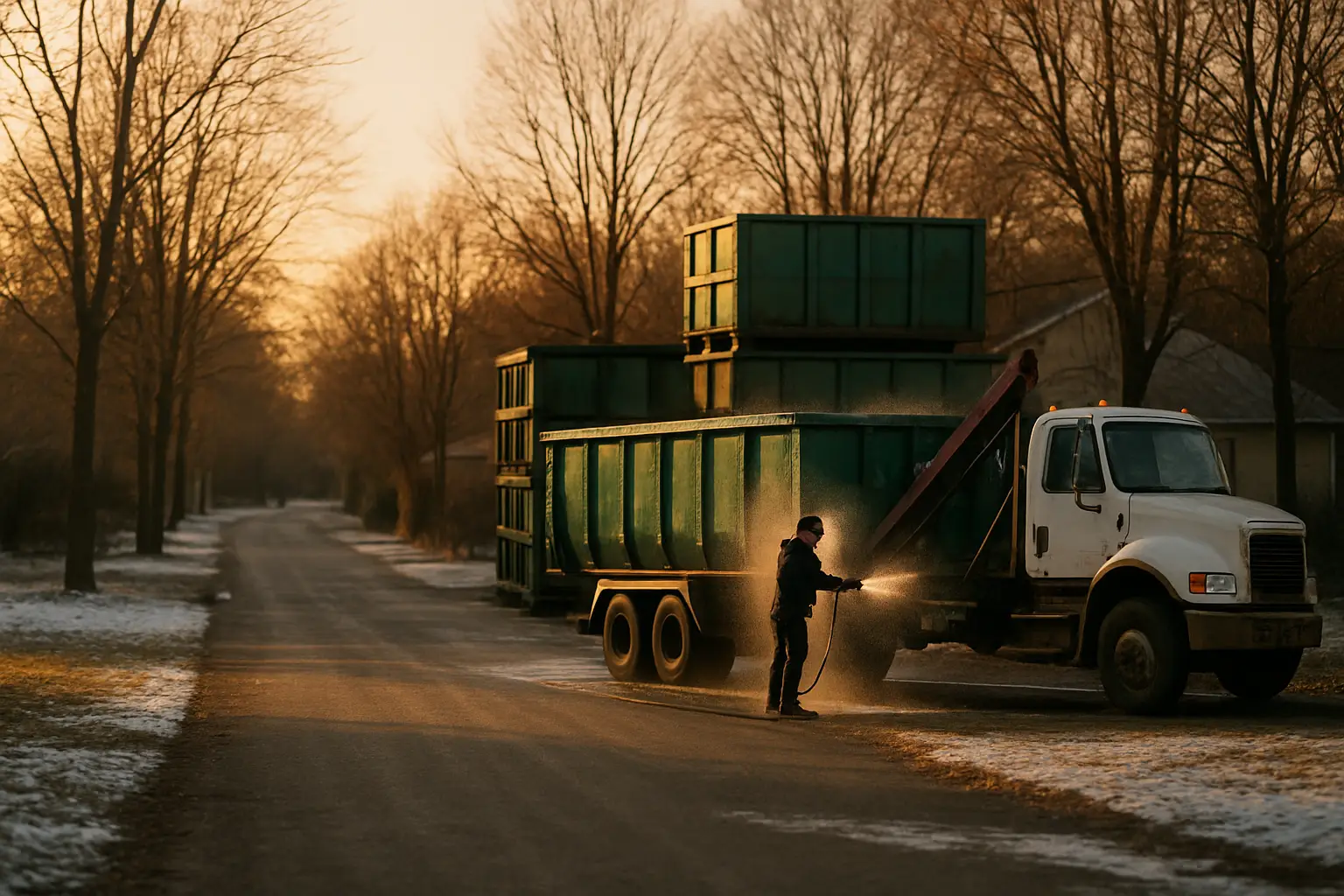
Alden Dumpster Rental confirms driveway access and placement before delivery, with photos documenting where the container sits.

Dumpster Rental Denver, CO gives homeowners, contractors, landlords, and businesses a practical way to contain debris. Alden Dumpster Rental helps select the right capacity, checks the delivery path, and coordinates placement around your property. Service is available 24/7, Monday to Sunday, for planned work and urgent cleanups.

  • Licensed, bonded and insured
  • Serving since 2014
  • 5350+ containers delivered
  • Open 24/7, Monday to Sunday
  • Serving City and County of Denver

Denver service

A local crew for changing cleanup demands

Alden Dumpster Rental serves Denver properties where access, material type, and timing can make a larger container the wrong choice. A narrow alley behind a brick bungalow needs different planning than a broad driveway at a newer home near Green Valley Ranch. The crew looks at the approach, overhead clearance, surface, and loading area before delivery. That practical review helps avoid a container that cannot be placed safely or a truck route that does not work. Alden Dumpster Rental has served the area since 2014 and handles residential, commercial, roofing, remodeling, and property cleanup needs 24/7, Monday to Sunday.

Denver cleanup work is rarely just a matter of filling an empty box. Concrete, roofing shingles, soil, appliances, furniture, and mixed renovation debris all affect the useful capacity and safe weight of a container. Alden Dumpster Rental explains those distinctions before scheduling, including what should stay out of the container and what access conditions may change placement. Pre-delivery driveway checks and photo-confirmed placement give the crew a clearer picture before the truck arrives. If a smaller container fits the work, that is the option worth considering. If heavy material needs a different plan, the right answer is discussed plainly.
Common projects

Denver dumpsters sized around the work

The best container is determined by what you are removing, not simply by the size of the room. These are common Denver jobs and the planning details that matter before delivery.

  • Household Cleanout Dumpsters

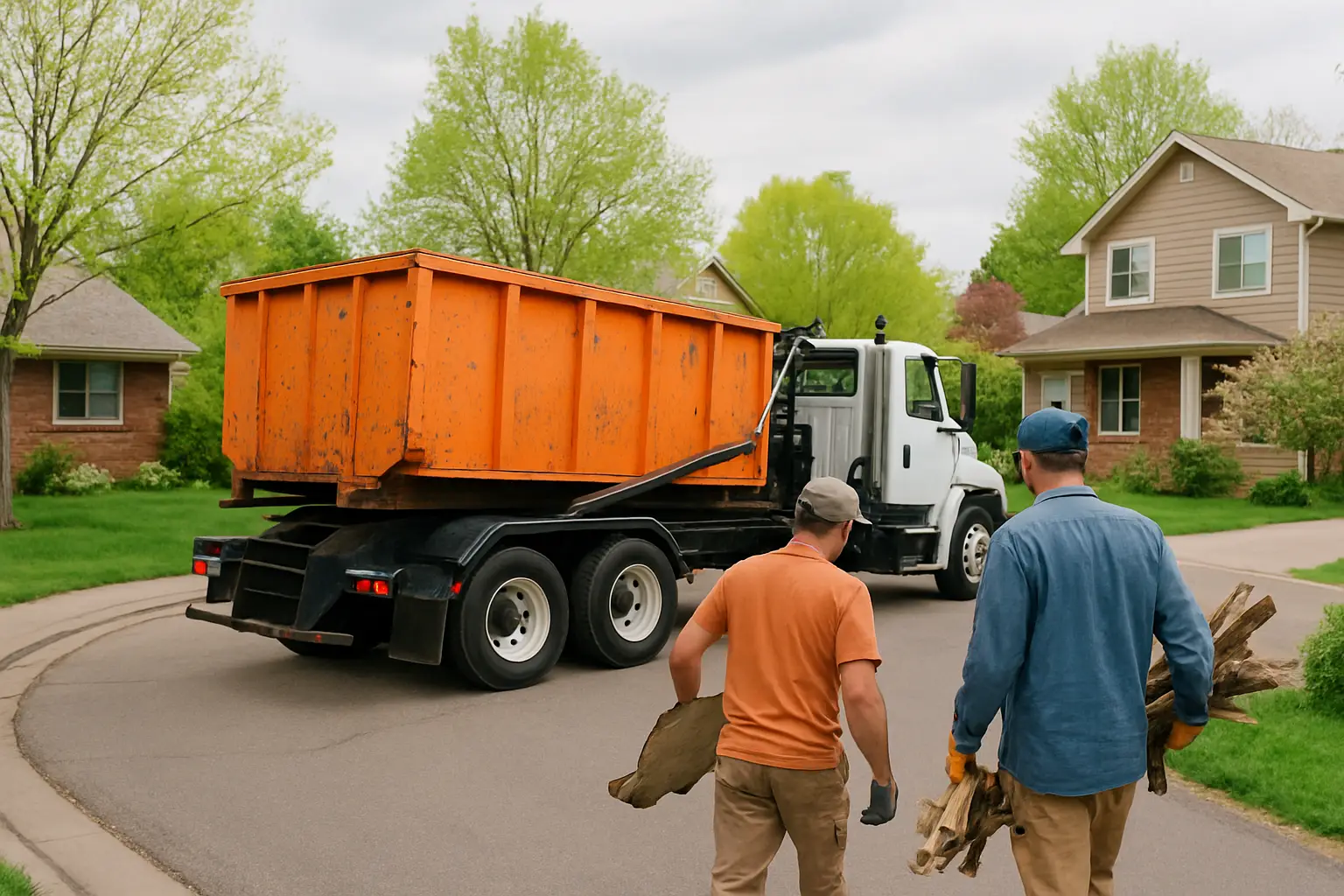
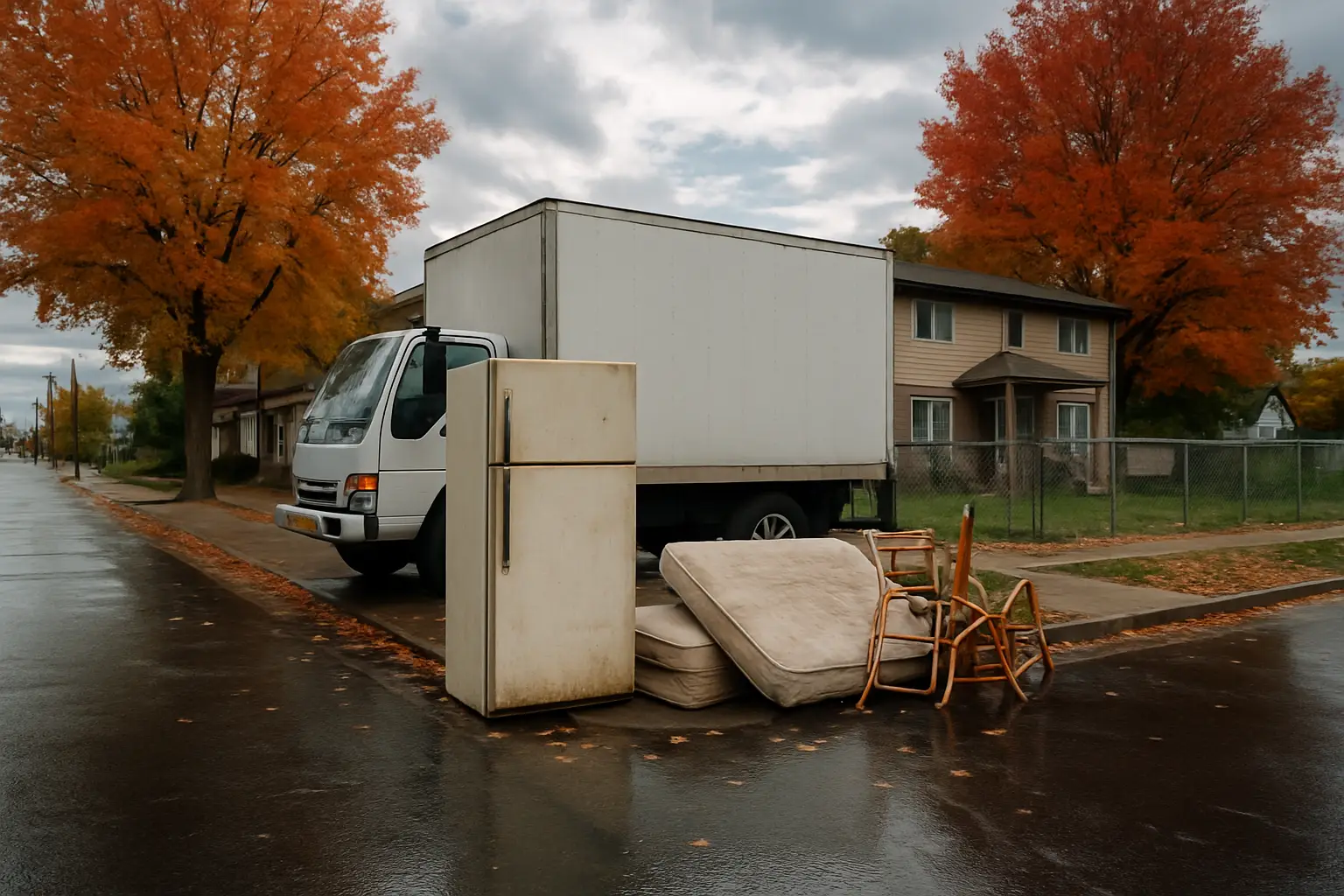
    Household cleanouts may include furniture, boxed belongings, shelving, carpeting, and mixed household debris. A room-by-room estimate helps avoid ordering around the biggest item alone. Older Denver homes can have tight side yards and alley access, so the loading route deserves attention before the container is scheduled.

    Home cleanup
  • Garage and Basement Cleanup

    Garage and basement projects often combine broken storage, appliances, wood, fixtures, and accumulated household material. Basements require carrying debris up stairs, while garages may have limited apron space. Choose a capacity based on the pile after sorting, not the empty floor area before work begins.

    Organized removal
  • Yard Waste Dumpsters

    Branches, sod, brush, leaves, and small landscape debris can fill a container faster than expected. Soil and rock are much heavier than green waste and may require a separate discussion. Denver's dry summers and sudden storms also make it sensible to keep loose material covered and contained.

    Landscape debris
  • Home Renovation Dumpsters

    Kitchen, bathroom, flooring, and interior renovation work produces a changing mix of cabinets, drywall, tile, lumber, packaging, and fixtures. Tile and masonry add weight quickly. Sorting unusually heavy material from lighter debris helps determine a safer capacity and prevents the container from being filled beyond practical limits.

    Remodel debris
  • Roofing Debris Dumpsters

    Roof replacement creates dense loads of shingles, felt, flashing, and damaged decking. The container should be placed close enough for controlled loading without blocking a crew's working area. Tell the crew about roof type, tear-off scope, and driveway conditions so capacity and placement are considered together.

    Roofing work
  • Moving and Estate Cleanup

    Moving and estate work often involves furniture, clothing, books, household goods, and miscellaneous items removed over several days. A sorting plan keeps reusable material separate from debris and makes loading more efficient. Older Denver properties may have stairs, alleys, or shared drives that affect where the container can sit.

    Property transition
  • Same-Day Dumpster Delivery

    Same-day delivery depends on container availability, truck routing, access, and a safe placement plan. It is not a guarantee that every request can be completed immediately. Share the address, material, preferred location, and access restrictions early so the crew can determine whether the requested schedule is workable.

    Urgent cleanup
  • Concrete and Heavy Debris Dumpsters

    Concrete, brick, block, asphalt, dirt, and stone require more caution than ordinary household debris. Heavy material can exceed practical loading limits before the container looks full. Describe the material and approximate scope before delivery, especially for foundation, patio, driveway, or masonry work.

    Heavy material
  • Commercial and Recurring Dumpster Service

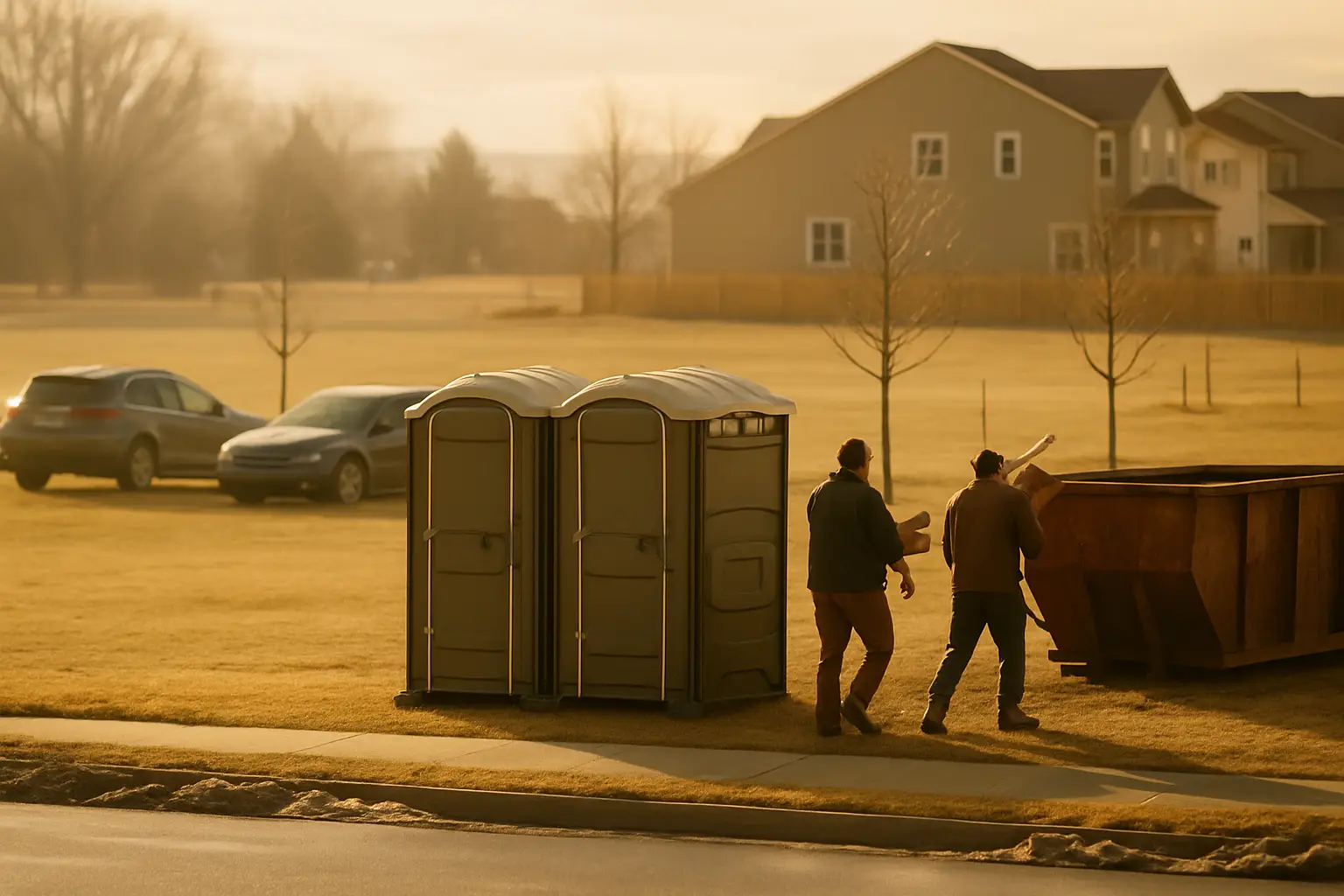
    Commercial work may need coordinated placement, repeated pickups, and clear communication with property managers, tenants, crews, or loading dock users. A recurring plan is useful when debris is generated in stages. The crew can review access, site traffic, material type, and pickup coordination before the first container arrives.

    Business service

Additional options

Choose the service that matches the debris

How scheduling works

A straightforward plan for Denver projects

  1. Describe the material

    Start with the work being done and the material leaving the property. Mention roofing, concrete, soil, furniture, drywall, appliances, vegetation, or mixed debris. The material affects usable capacity and weight, so a clear description is more helpful than guessing from a room count.

  2. Review the property

    The crew considers the delivery approach, driveway width, alley conditions, overhead branches, gates, slopes, and surface strength. Denver streets and alleys vary considerably between older central neighborhoods and newer subdivisions. Explain where you want the container and identify anything that could restrict the truck.

  3. Confirm placement

    A suitable location keeps the container accessible without blocking a garage, sidewalk, drainage path, fire access route, or active work area. Pre-delivery checks and photo confirmation help establish the intended placement before delivery. If a public street is involved, town or city permission may apply, so discuss that location early.

  4. Prepare the loading area

    Clear vehicles, toys, loose tools, low branches, and other obstacles from the planned space. Protect surfaces when appropriate and keep workers away from the truck during placement. Do not load above the container rim or leave material extending outward, because unstable loads create handling problems.

  5. Coordinate pickup

    Pickup is arranged around the project's actual progress and the access conditions at the property. Keep the approach clear and tell the crew if the container must remain longer or if site conditions changed. For recurring work, discuss the next exchange before the current container becomes difficult to use.

Why Denver customers

Practical decisions before the truck rolls

  1. Placement is checked before delivery

    A container that fits the debris can still be a poor choice if the truck cannot reach the intended space. Alden Dumpster Rental reviews the driveway, alley, slope, overhead clearance, gates, and nearby obstructions before delivery. Photos of the planned position provide a useful reference for the crew and property owner. That preparation is especially valuable around Denver's older homes, shared alleys, and narrow side access.

  2. Material weight is discussed plainly

    A full container is not automatically an overloaded container, and a half-full box of concrete can be far heavier than a full load of household items. The crew asks what is being removed and explains when dense debris changes the plan. That conversation can save money by preventing an oversized choice for light material or an unsuitable choice for masonry, dirt, or roofing loads.

  3. The service is built around real schedules

    Remodels, estate cleanouts, roofing work, and commercial projects do not all move at the same pace. Alden Dumpster Rental coordinates delivery and pickup around the property's access and the work sequence rather than pretending every job follows the same timetable. Availability is 24/7, Monday to Sunday. If the requested schedule cannot be supported safely, the limitation is explained before the truck is dispatched.

Service standards

What careful container service includes

  • Every delivery starts with a review of material, access, and the requested placement area.
  • Driveways, alleys, gates, grades, and overhead clearance receive attention before dispatch.
  • Licensed, bonded and insured service supports residential, commercial, roofing, and renovation work.
  • Heavy materials are discussed before loading so capacity and handling remain appropriate.
  • Customers receive clear guidance about prohibited materials and site preparation responsibilities.
  • Placement plans account for sidewalks, drainage, garages, traffic, and neighboring property access.
  • Pickup coordination reflects project progress and any changes around the container.
  • Aldan Dumpster Rental remains available 24/7, Monday to Sunday for scheduling conversations.

Placement planning

Where a Denver container can safely sit

In Denver, the easiest placement is usually a firm private surface with a clear approach, but the correct location depends on the property. A driveway may work if its width, slope, surface, and overhead clearance suit the truck. Alleys can be useful behind older homes, yet parked vehicles, utility equipment, low branches, and narrow turns may restrict access. A container on a public street usually needs city permission first, and local rules can vary by location. Keep it away from drainage paths, sidewalk crossings, garage doors, fire access, and soft ground. Do not assume a curb lane is acceptable because another container used it previously. Tell Alden Dumpster Rental the intended location and any shared access concerns before scheduling.

The truck needs a reasonably direct route, enough turning room, and a stable place to lower the container without striking structures or damaging the surface. Denver's older neighborhoods often have detached garages reached through narrow alleys, while newer areas may have broad drives but landscaping, decorative pavers, or HOA restrictions. Snow, spring moisture, and freeze-thaw conditions can weaken soil and unpaved shoulders. Clear vehicles, branches, gates, basketball hoops, stored materials, and loose objects before delivery. If the container must cross a sidewalk or sit near a travel lane, discuss the conditions in advance. A photo of the driveway or proposed position can help the crew evaluate the approach, but final placement still depends on what is present when the truck arrives.

Material and capacity

How Denver homes change the size decision

Denver's housing stock creates different cleanup patterns from one block to the next. Older bungalows and brick homes may produce plaster, lath, hardwood flooring, cabinets, masonry, and accumulated household material during a renovation. Mid-century houses can add tile, drywall, roofing layers, and built-ins, while newer properties may generate packaging, engineered flooring, trim, and construction offcuts. A garage cleanout is mostly light mixed debris, but a basement remodel can add dense flooring and wall material. Capacity should follow the material and loading method, not only the square footage of the room. If the debris includes concrete, brick, asphalt, dirt, or stone, describe it before choosing a container because weight becomes the limiting factor.

Roofing jobs deserve their own estimate because shingles are dense and occupy space quickly. Yard work also varies: branches and brush take volume, while sod, soil, and landscape rock add substantial weight. Denver's dry conditions can make dust and loose material easy to spread, while sudden summer storms can wet and increase the load. Keep debris contained, distribute heavy material rather than piling it at one end, and never load above the rim. A smaller container may be the sensible choice for light debris, while a larger size can reduce overflow during a broad cleanout. The right decision comes from the actual material list, available loading space, and access for safe pickup.

Common questions

Answers before you schedule a dumpster

How much does a dumpster rental cost in Denver?

Dumpster rental cost in Denver depends on container size, rental duration, debris type, pickup needs, access, and placement conditions. Heavy materials may require a different plan than household debris, while a difficult alley or restricted driveway can affect delivery work. Share the address, material list, desired location, and project timing so the crew can explain the relevant factors before scheduling.

What dumpster size do I need for a home remodel?

The right size for a home remodel depends on the rooms involved, material density, and whether cabinets, flooring, drywall, tile, or masonry are being removed. A bathroom update may need less capacity than a kitchen or whole-floor renovation. Denver homes with stairs, alleys, or limited driveways also need placement planning. Describe the remodel scope and materials rather than relying only on room count.

Can a dumpster go in my Denver driveway?

A dumpster can often sit in a Denver driveway when the surface, width, slope, overhead clearance, and truck approach are suitable. The driveway must also leave safe access to nearby structures and avoid blocking drainage or required passage. Older properties may have narrow approaches or shared alleys, while newer homes may have landscaping or pavers near the drive. Clear the space and provide the proposed location for review.

Can I put a dumpster on a Denver street?

A dumpster on a Denver street usually requires city permission first, and the requirements can depend on the exact location and how long the container remains there. Street placement may also affect traffic, parking, sidewalks, and visibility. Do not assume a curb space is available simply because it appears open. Tell the crew the address and proposed street position before making arrangements.

What can I put in a dumpster?

Most ordinary renovation, household, roofing, yard, and construction debris can be discussed for container service, but prohibited or restricted materials should never be loaded without approval. Chemicals, fuels, pressurized containers, batteries, certain electronics, and other regulated items may need separate handling. Make a material list before delivery, keep questionable items aside, and ask about anything unusual rather than burying it beneath ordinary debris.

How do I prepare my driveway for dumpster delivery?

Prepare the driveway by removing vehicles, tools, toys, branches, stored materials, and other obstacles from the planned route and placement area. Check for low wires, gates, tight turns, soft shoulders, and nearby structures. Denver freeze-thaw cycles and spring moisture can weaken unpaved ground, so surface condition matters. Keep the approach open, identify any shared access, and provide a clear description of the location before delivery.

How quickly can I get a dumpster in Denver?

Delivery timing in Denver depends on container availability, truck routing, access, placement safety, and the requested project schedule. Same-day service may be possible for some jobs, but it cannot be promised before those conditions are reviewed. Availability is 24/7, Monday to Sunday. To help the crew assess the request, have the property address, material type, desired size, placement area, and preferred timing ready.

Can I rent a dumpster for concrete or roofing shingles?

Concrete and roofing shingles can often be handled, but both materials require capacity and weight planning before delivery. Concrete, brick, dirt, and stone can become too heavy before a container looks full, while shingles occupy space quickly. Tell the crew the material, approximate project scope, and loading location. Keep dense debris distributed, stay below the rim, and separate questionable materials until the plan is confirmed.

Talk through the job

Bring the site details before scheduling

A useful conversation starts with the property address, material list, desired placement, and project timing. Alden Dumpster Rental can review access, capacity, pickup coordination, and any concern about street or shared-lane placement. Service is available 24/7, Monday to Sunday, so planned work and changing cleanup needs can be discussed when the details are ready.

Phone

(720) 902-8277

The call covers material type, container capacity, access conditions, placement, scheduling, and pickup coordination.

Availability

24/7
Monday to Sunday, day and night

Have this ready

  • Property address and neighborhood
  • Material being removed
  • Preferred placement area
  • Project timing and access concerns

Where we work

Denver, plus Aurora, Glendale, Edgewater, Lakewood, Englewood, Wheat Ridge, Commerce City, Sheridan, Arvada and Littleton.

See the full service area list

Make the container plan before cleanup starts

Tell Alden Dumpster Rental what is being removed, where the container needs to sit, and how the truck will reach it. A clear site discussion helps match capacity to the work and avoids preventable placement problems.

Click Here to Call(720) 902-8277

Denver coverage

Dumpster service across Denver neighborhoods

Alden Dumpster Rental works throughout Denver, including central neighborhoods, older bungalow districts, commercial corridors, and newer residential areas. Access planning can differ between Capitol Hill, Highland, Washington Park, Five Points, and Green Valley Ranch, so the address and proposed placement matter. Service also reaches Aurora, Glendale, Edgewater, Lakewood, Englewood, Wheat Ridge, Commerce City, Sheridan, Arvada, and Littleton when the project requires coverage beyond Denver.

Capitol HillHighlandWashington ParkFive PointsGreen Valley RanchSloan's Lake

Dumpster Rental in nearby towns

Click Here to Call(720) 902-8277